How to Improve Your Aim in Competitive Shooters
Improving aim in competitive shooters such as CS:GO and Valorant is a multifaceted process that involves consistent practice, thoughtful configuration, and an understanding of the underlying mechanics. Many players seek to enhance their accuracy and reaction time, but the path to improvement is rarely linear. It requires a structured approach that addresses both mechanical skills and cognitive processing. This article outlines practical drills and sensitivity considerations that can be adapted to individual preferences and playstyles.
The information presented here is intended for educational purposes and does not guarantee specific outcomes. Individual results may vary based on factors such as prior experience, hardware, and time dedicated to practice. The methods discussed are not exhaustive, and players are encouraged to consult additional resources and professional guidance as needed. GamePulse provides a range of tools and insights that can complement these practices.
Before diving into specific drills, it is important to recognize that aim is not a single skill but a composite of several abilities, including crosshair placement, recoil control, target acquisition, and tracking. Each component can be trained separately and then integrated into gameplay. The following sections explore key areas of focus, offering a framework for structuring practice sessions and configuring settings.
Understanding Sensitivity Settings
Sensitivity settings determine how much mouse movement translates into in-game cursor or crosshair movement. In competitive shooters, sensitivity is often measured in terms of eDPI (effective dots per inch), which is calculated by multiplying the mouse DPI by the in-game sensitivity multiplier. A common approach is to find a sensitivity that allows for precise micro-adjustments while still enabling quick turns. There is no universally optimal sensitivity; however, many professional players tend to favor lower eDPI values, which can facilitate finer control.
When adjusting sensitivity, consider the available mousepad space and your natural arm and wrist movements. A lower sensitivity often requires larger mouse movements, engaging the arm more than the wrist, which can lead to more consistent aim over time. Conversely, a higher sensitivity may suit players who prefer wrist aiming and have limited desk space. It is advisable to test different settings in a controlled environment, such as an aim trainer or a practice range, before committing to a change.
Another factor is the mouse’s DPI setting. Most gaming mice offer adjustable DPI levels, and selecting a DPI that feels comfortable is essential. Some players prefer 400 DPI, while others use 800 or 1600. The key is to maintain consistency; once a DPI is chosen, adjust the in-game sensitivity to achieve the desired eDPI. Changing DPI frequently can disrupt muscle memory and hinder progress.
Additionally, consider the polling rate of your mouse, which refers to how often the mouse reports its position to the computer. A higher polling rate (e.g., 1000 Hz) can result in smoother cursor movement and reduced input lag. While this may not directly improve aim, it can contribute to a more responsive feel. Ensure that your mouse drivers are up to date and that any manufacturer software is configured appropriately.
Finally, remember that sensitivity settings are highly personal. What works for one player may not work for another. It is beneficial to experiment with a range of values and settle on a setting that feels natural and allows for consistent performance. Once a setting is chosen, avoid frequent changes to allow muscle memory to develop. GamePulse offers guides and tools that can assist in finding a suitable starting point.
Core Aiming Drills
Regular practice with targeted drills can help improve specific aspects of aim. These drills are designed to isolate and train components such as flicking, tracking, and target switching. They can be performed in-game, in dedicated aim training software, or on custom maps. Consistency is more important than duration; short, focused sessions several times a week are often more effective than sporadic marathon sessions.
One fundamental drill is the flick shot practice. This involves quickly moving the crosshair to a target and firing. In CS:GO, players can use community maps like Aim Botz or training_aim_csgo2 to practice flicks at varying distances. In Valorant, the practice range offers a similar environment. Start with stationary targets, then progress to moving targets. Focus on accuracy rather than speed initially; speed will come with repetition.
Tracking drills are essential for weapons that require sustained fire, such as SMGs or certain rifles. In these drills, the goal is to keep the crosshair on a moving target for an extended period. This can be practiced in aim trainers like KovaaK’s or Aim Lab, which offer customizable scenarios. Alternatively, in-game modes such as Deathmatch can provide opportunities to track real opponents. Pay attention to smoothness and avoid jerky movements.
Target switching drills train the ability to rapidly transition between multiple targets. This is common in scenarios where multiple enemies are present. Set up a scenario with several targets and practice moving from one to the next, ensuring that each shot is accurate before moving on. This drill can be done with static or moving targets. It helps improve reaction time and decision-making under pressure.
Recoil control is another critical component. Each weapon has a unique recoil pattern, and learning to compensate for it is essential for accurate spraying. In CS:GO, the AK-47 and M4A4 have distinct patterns that can be practiced on a wall or in recoil control maps. In Valorant, the Vandal and Phantom also have predictable patterns. Spend time learning to pull down and counter the recoil, and then practice transferring this skill to actual combat situations.
Lastly, incorporate crosshair placement drills into your routine. Crosshair placement refers to keeping the crosshair at head level and aiming where an enemy is likely to appear. This reduces the need for large mouse movements and can give you a split-second advantage. In practice, navigate through maps and consciously keep your crosshair at head level, checking common angles. This habit can be reinforced through repetition and awareness during gameplay.
Improving Reaction Time
Reaction time is the delay between perceiving a stimulus and responding to it. In competitive shooters, faster reaction times can provide an edge in duels. While genetics play a role, reaction time can be improved through training and lifestyle factors. Cognitive drills and physical well-being both contribute to faster responses.
One way to train reaction time is through dedicated reaction time tests, which are available online or in aim trainers. These tests typically involve clicking as soon as a visual cue appears. Regular practice can help shave milliseconds off your reaction time. However, it is important to note that improvement may plateau, and consistency is key. Additionally, in-game scenarios such as holding angles or peeking can serve as practical reaction time training.
Physical factors also influence reaction time. Adequate sleep, regular exercise, and a balanced diet can support cognitive function and alertness. Dehydration and fatigue can slow reactions, so maintaining healthy habits is beneficial. Taking breaks during long gaming sessions can also prevent mental fatigue and maintain focus.
Another aspect is anticipation and game sense. Experienced players often react faster because they anticipate where enemies will appear based on audio cues, map knowledge, and team communication. Improving game sense can indirectly enhance reaction time by reducing the processing required to identify threats. Watching professional matches and analyzing your own gameplay can help develop this intuition.
Furthermore, hardware can impact reaction time. A monitor with a high refresh rate (e.g., 144Hz or higher) and low input lag can display information more quickly, allowing for faster reactions. Similarly, a responsive mouse and keyboard can reduce input delay. While these factors do not replace skill, they can complement training efforts.
It is also worth noting that reaction time in games is not solely about raw speed; accuracy of response matters. A fast but inaccurate reaction may be less effective than a slightly slower but precise one. Therefore, drills should balance speed and accuracy. Gradually increase speed as accuracy improves.
Structuring a Practice Routine
A well-structured practice routine can maximize improvement while preventing burnout. The routine should include warm-up, skill-specific drills, and cool-down. It should also be flexible to accommodate individual schedules and goals. Consistency is more important than intensity; regular short sessions are often more effective than occasional long ones.
Begin each session with a warm-up to prepare your muscles and mind. This could include light aim training, such as tracking a target slowly or practicing crosshair placement on a map. Warm-ups should be low-stress and focus on smoothness rather than speed. They help prevent injury and set a positive tone for the session.
Next, dedicate time to specific drills targeting weaknesses. For example, if your flick shots are inconsistent, spend 15–20 minutes on flick drills. If tracking is a weakness, focus on tracking scenarios. It is helpful to keep a log of your performance to track progress over time. Many aim trainers provide statistics that can be used for this purpose.
After drills, apply your skills in actual gameplay, such as Deathmatch or unrated matches. This allows you to transfer learned skills to real scenarios. During gameplay, remain mindful of the techniques you practiced. Avoid becoming discouraged by mistakes; instead, view them as learning opportunities.
Finally, end with a cool-down. This could involve reviewing gameplay footage, stretching, or simply relaxing. Reflection on the session can help consolidate learning and identify areas for future focus. Remember that improvement takes time and patience. Celebrate small victories and stay persistent.
GamePulse offers resources that can help structure practice routines, including guides on drill selection and progress tracking. These tools are designed to support players at various skill levels.
Advanced Techniques and Considerations
As you progress, you may explore advanced techniques such as movement-based aiming, jiggle peeking, and counter-strafing. These techniques combine aim with movement to gain a tactical advantage. For instance, counter-strafing involves tapping the opposite movement key to quickly stop and shoot accurately. This requires precise timing and coordination, which can be practiced in empty servers or aim maps.
Another advanced concept is angle isolation. This involves positioning yourself so that you only have to clear one angle at a time, reducing the number of potential threats. It requires map knowledge and game sense. Practicing angle isolation can improve your survivability and allow you to focus your aim on a single target.
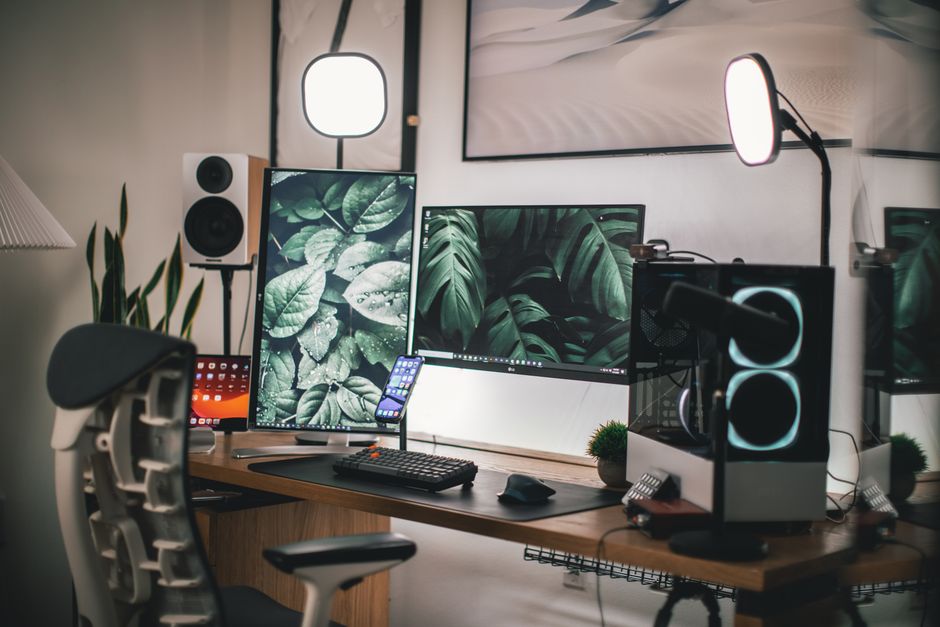
Additionally, consider the impact of your setup on aim. A comfortable chair, proper desk height, and adequate lighting can reduce strain and improve focus. Mouse grip style—palm, claw, or fingertip—also affects control. Experiment with different grips to find what feels most natural, but be aware that changing grip can take time to adjust.
Mental aspects, such as tilt and confidence, can influence aim. Staying calm and focused, especially during losing streaks, is crucial. Techniques such as deep breathing or short breaks can help reset your mental state. Remember that aim is a skill that fluctuates; everyone has off days. Consistent practice and a positive mindset can help mitigate slumps.
Finally, stay informed about updates and changes in your game of choice. Weapon balances, map changes, and meta shifts can affect optimal strategies. Adapting your aim training to these changes can keep your skills relevant. GamePulse provides updates and analysis that can help you stay current.
In conclusion, improving aim in competitive shooters is a journey that requires dedication, informed practice, and attention to individual factors. By focusing on sensitivity settings, core drills, reaction time, and structured routines, players can work towards enhancing their accuracy and reaction time. The process is highly personal, and results depend on a variety of external factors. Consistent effort and a willingness to learn are key.