The Rise of Mobile Esports in Southeast Asia
Mobile esports in Southeast Asia has experienced notable growth in recent years, with countries such as Indonesia and the Philippines emerging as key markets. This article examines the factors contributing to this trend, the structure of tournaments, and the engagement of fan communities, without asserting specific outcomes or endorsing particular platforms.
The region’s high mobile penetration and popular titles like Mobile Legends: Bang Bang and PUBG Mobile have facilitated the organization of competitions at various levels. These developments have attracted attention from sponsors, media, and players, creating a dynamic ecosystem that continues to evolve.
Through a neutral and informational lens, we explore the rise of mobile esports in Southeast Asia, highlighting the roles of stakeholders and the contextual elements that shape the scene. The focus is on processes, methodologies, and observable patterns, rather than predictions or guarantees.
Factors Driving Mobile Esports Growth in Southeast Asia
Several interconnected factors contribute to the prominence of mobile esports in Southeast Asia. High smartphone adoption rates, affordable data plans, and a young demographic familiar with digital technologies create a fertile environment for mobile gaming. Additionally, the popularity of titles optimized for mobile devices ensures a steady player base and audience. The COVID-19 pandemic further accelerated interest in mobile gaming as a form of entertainment and social interaction, though its impact varies across communities. Government support and infrastructure investments in some countries also play a role in facilitating esports events. These elements collectively shape the landscape, but their influence is contingent on local conditions and ongoing developments.
Cultural factors, such as the communal nature of gaming in many Southeast Asian societies, also contribute to the growth. Mobile esports often serve as a social activity, with friends and family participating together or supporting local teams. This social dimension enhances fan engagement and fosters a sense of community around tournaments. Moreover, the success of regional teams in international competitions has inspired aspiring players and attracted media coverage, further elevating the profile of mobile esports.
Tournament Structures and Prize Pools
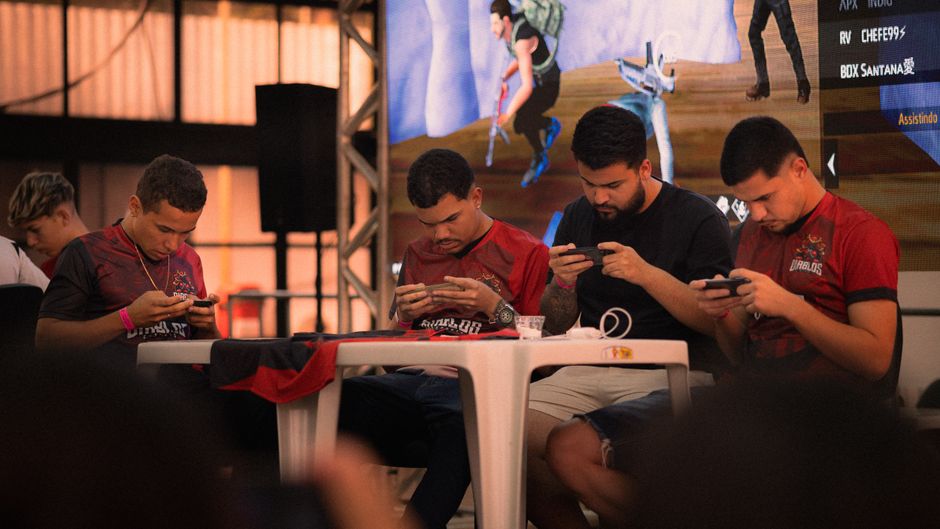
Mobile esports tournaments in Southeast Asia are organized at multiple levels, ranging from grassroots community events to professional leagues. Game publishers, third-party organizers, and telecom companies frequently collaborate to host competitions. These events often feature online qualifiers leading to offline finals, a format that accommodates participants from diverse geographical areas. Prize pools vary widely, with major tournaments offering substantial sums that can reach millions of dollars, while smaller events provide opportunities for amateur teams to gain experience.
The distribution of prize money typically follows a tiered structure, rewarding top-performing teams and individual players. In addition to cash prizes, tournaments may offer sponsorships, brand endorsements, and exposure that can lead to further opportunities. The presence of large prize pools has drawn attention from investors and media, contributing to the professionalization of the scene. However, the sustainability of such prizes depends on continued investment and viewership, which are influenced by multiple external factors.
Key tournaments in the region include the Mobile Legends: Bang Bang Professional League (MPL) in Indonesia and the Philippines, as well as PUBG Mobile’s regional competitions. These leagues have established regular seasons, culminating in playoffs and international events. The structure provides a clear pathway for teams to progress and compete at higher levels, fostering a competitive environment.
Fan Base and Community Engagement
Fan bases for mobile esports in Southeast Asia are characterized by high levels of engagement and interactivity. Platforms like YouTube, Facebook, and TikTok serve as hubs for viewing matches, sharing highlights, and discussing strategies. Live streams often attract large audiences, with viewers participating through chat and virtual gifts. This interactivity creates a sense of participation that extends beyond passive viewership.
Community tournaments and meetups further strengthen fan engagement. Local gaming cafes and online forums host events where fans can meet players, participate in amateur competitions, and connect with like-minded individuals. These activities contribute to the growth of a dedicated fan culture that supports the professional scene. Additionally, fan-made content, such as montages and analysis videos, amplifies the reach of tournaments and keeps the community active between major events.
The demographic profile of fans is diverse, including students, young professionals, and families. This broad appeal is facilitated by the accessibility of mobile gaming, which requires less expensive hardware compared to PC or console gaming. As a result, mobile esports in Southeast Asia has the potential to reach audiences that might otherwise be excluded from traditional esports.
Challenges and Considerations
Despite the growth, mobile esports in Southeast Asia faces several challenges. Infrastructure limitations, such as inconsistent internet connectivity in rural areas, can hinder participation and viewership. Regulatory frameworks for esports vary by country, affecting how tournaments are organized and monetized. Additionally, the reliance on mobile devices means that game performance can be affected by device specifications and network conditions, which may impact competitive integrity.
Player welfare is another consideration. The intense training schedules and pressure to perform can lead to burnout and other health issues. Stakeholders are increasingly discussing ways to support player well-being, though approaches differ. Furthermore, the sustainability of prize pools and sponsorships depends on the continued interest of brands and investors, which is not guaranteed.
These challenges highlight the importance of adaptive strategies and collaboration among organizers, publishers, and communities. Addressing these issues requires ongoing dialogue and flexibility, as the landscape continues to evolve.
Future Outlook
The future of mobile esports in Southeast Asia is subject to various factors, including technological advancements, regulatory changes, and shifts in consumer behavior. The rollout of 5G networks could enhance the mobile gaming experience, potentially enabling new forms of competition and engagement. However, the extent of this impact remains uncertain and depends on infrastructure deployment and adoption rates.
Companies like GamePulse may play a role in shaping the ecosystem by providing platforms, tools, or services that support tournament organization and fan engagement. As the scene matures, opportunities for innovation in broadcasting, monetization, and community building are likely to emerge. Nonetheless, stakeholders should remain attentive to the dynamic nature of the market and the diverse needs of participants.
Ultimately, the rise of mobile esports in Southeast Asia reflects a broader trend of digital transformation in the region. By understanding the underlying processes and contexts, observers can gain a nuanced perspective on this evolving phenomenon.