Interview with a Rising Star: Q&A with a Valorant Pro
In the rapidly evolving landscape of competitive esports, few stories are as compelling as those of young players breaking into the professional scene. The Valorant Champions Tour (VCT) has become a premier stage for emerging talent, where dedication, strategy, and mental resilience are tested at the highest level. This article presents a Q&A with a rising star—a young professional player who has recently made a name for themselves in the VCT circuit. Through their insights, we explore the multifaceted nature of a pro player’s life, from daily training routines to the psychological demands of competition.
The journey to becoming a professional Valorant player is neither linear nor guaranteed. It involves countless hours of practice, continuous learning, and a support system that nurtures growth. In this interview, our guest shares their personal experiences, offering a candid look at the realities behind the highlight reels. Their perspective sheds light on the importance of adaptability, teamwork, and maintaining a balanced approach to improvement. By delving into these aspects, we aim to provide a comprehensive understanding of what it takes to compete at the highest echelons of the game.
This Q&A is structured to cover key areas: training methodologies, mental preparation, and advice for aspiring players. Each section reflects the player’s journey and the lessons learned along the way. It is important to note that individual experiences vary, and success in esports depends on a combination of factors including skill, opportunity, and external circumstances. The following insights are shared for informational purposes, offering a window into the professional scene without prescribing a one-size-fits-all path.
Training Regimen and Daily Routine
When asked about the daily training routine, the player emphasized the importance of structure and consistency. A typical day involves several hours of aim training, scrimmages with the team, and review sessions to analyze gameplay. The routine is designed to build muscle memory and strategic understanding, but it is also flexible to accommodate rest and recovery. Overloading without breaks can lead to burnout, so the player highlights the need to listen to one’s body and mind. The training is not just about mechanical skill; it also includes studying opponents’ tendencies and experimenting with new strategies in a controlled environment.
In addition to individual practice, team-based activities are crucial. Scrimmages against other professional teams provide valuable experience and expose weaknesses that need addressing. The player notes that communication during these sessions is as important as individual performance. After each scrim, the team holds a debrief to discuss what worked and what didn’t, fostering a culture of continuous improvement. This collaborative approach helps in refining tactics and building synergy, which is essential in a team-oriented game like Valorant. The player also mentions the role of coaching staff in guiding these sessions and providing objective feedback.
Beyond the server, physical and mental well-being are integral to sustaining high performance. The player incorporates light exercise, proper nutrition, and adequate sleep into their schedule. They also engage in activities outside of gaming to maintain a fresh perspective. While the training regimen is demanding, it is balanced with periods of downtime to prevent fatigue. The player acknowledges that this balance is a work in progress and varies from person to person. What works for one may not work for another, so self-awareness and experimentation are key.
Mental Preparation and In-Game Mindset
Competitive Valorant is as much a mental game as it is a mechanical one. The player discusses the importance of maintaining a clear and focused mindset during matches. Techniques such as deep breathing, positive self-talk, and visualization are part of their pre-match routine. These practices help in managing nerves and staying present in high-pressure situations. The player also emphasizes the value of resilience—the ability to bounce back from mistakes or losses without letting emotions derail performance. This mental fortitude is developed over time through experience and deliberate practice.
Another key aspect is emotional regulation. In the heat of competition, frustration or anxiety can lead to poor decisions. The player shares strategies for staying composed, such as taking a moment to reset between rounds and focusing on the next play rather than dwelling on past errors. They also highlight the role of team communication in maintaining a positive atmosphere. Encouraging words and constructive feedback can uplift the entire team, whereas negativity can be contagious. The player believes that a supportive team environment is a cornerstone of long-term success.
Furthermore, the player talks about the concept of a growth mindset. Viewing challenges as opportunities to learn rather than threats to ego is essential for improvement. After each match, they review their performance objectively, identifying areas for growth. This reflective practice is complemented by feedback from coaches and peers. The player notes that humility and a willingness to adapt are traits that serve well in the ever-changing meta of Valorant. Staying updated with patch changes and evolving strategies is a continuous process.
Career Advice for Aspiring Players
For those aspiring to enter the professional scene, the player offers several pieces of advice. First, they stress the importance of setting realistic goals and creating a development plan. This includes identifying strengths and weaknesses, and seeking out resources such as coaches, mentors, or online communities. The player also advises against rushing the process; building a solid foundation takes time. Competing in amateur tournaments and leagues can provide valuable experience and exposure. Networking with other players and professionals can open doors to opportunities that might not be advertised.
Second, the player underscores the need for versatility. Being able to play multiple agents and roles increases a player’s value to a team. It also demonstrates adaptability, which is highly regarded in the esports industry. The player suggests practicing different aspects of the game, even those that are not initially comfortable, to broaden one’s skill set. Additionally, keeping up with the latest trends and strategies through VOD reviews and analysis is beneficial. This proactive approach to learning can give an edge over competitors.
Third, the player emphasizes the importance of maintaining a healthy lifestyle and support system. The grind can be intense, and having friends, family, or fellow players to lean on can make a significant difference. They also caution against neglecting education or other interests, as having a backup plan is wise in any competitive field. While pursuing a dream is admirable, it is also important to have a balanced life. The player acknowledges that their own journey has been aided by a supportive environment and access to resources, which not everyone may have.
Finally, the player discusses the role of luck and timing in esports careers. Being in the right place at the right time can play a part, but preparation meets opportunity. They encourage aspiring players to stay persistent and to not be discouraged by setbacks. The path to pro is rarely straightforward, and many successful players have faced rejection and failure before achieving their goals. Learning from these experiences and continuing to improve is what ultimately matters.
Role of Technology and Tools
In modern esports, technology plays a significant role in training and performance analysis. The player mentions using various tools to track progress, such as aim trainers, VOD review software, and performance analytics platforms. These tools provide objective data that can complement subjective feelings. For example, aim trainers help in measuring accuracy and reaction time, while analytics can reveal patterns in gameplay that might be overlooked. The player notes that while tools are helpful, they are not a substitute for in-game experience and team practice.
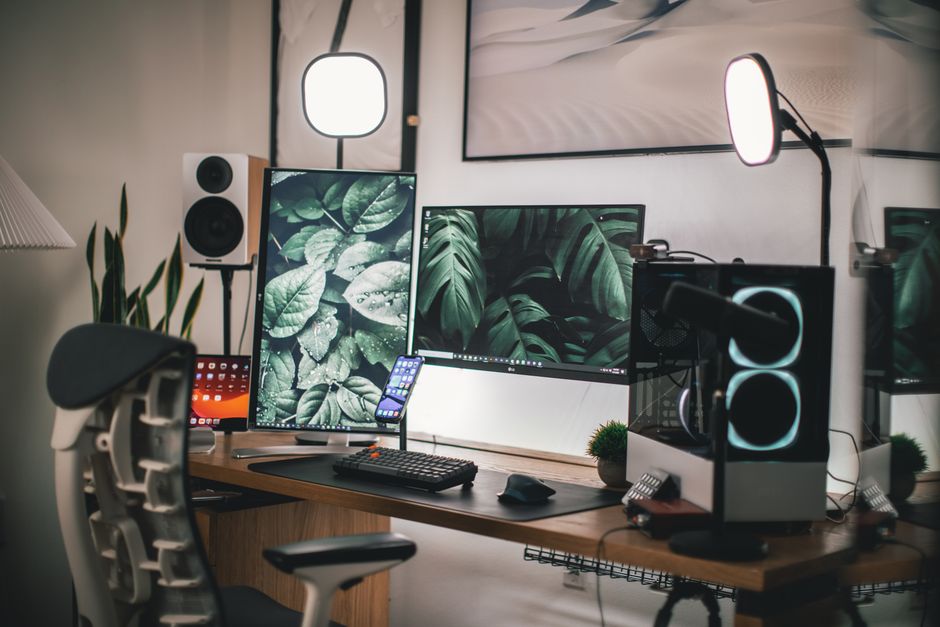
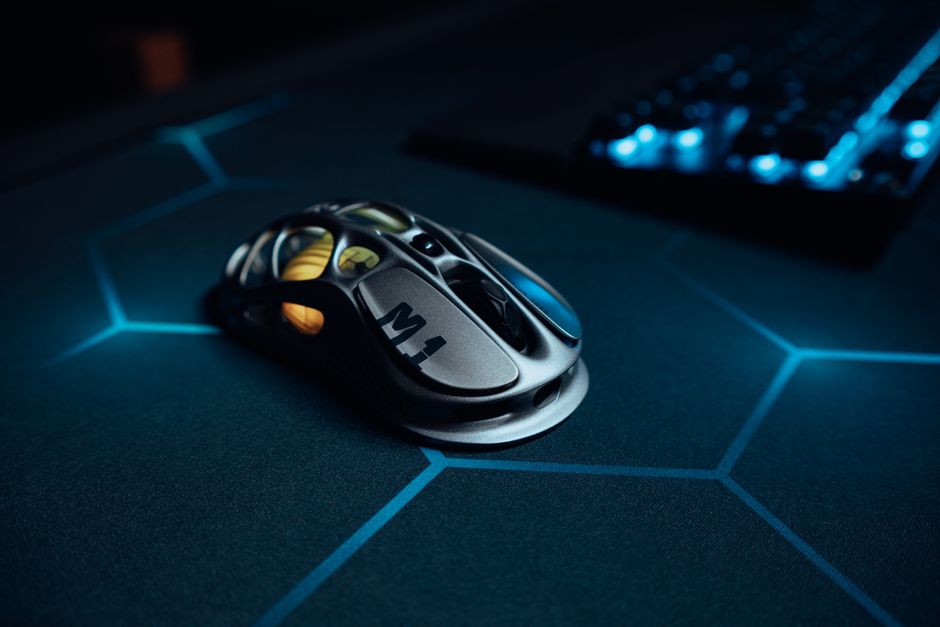
Moreover, the player discusses the importance of hardware and setup. A reliable computer, monitor, and peripherals can impact performance, but the player cautions against attributing success solely to equipment. Skill and strategy remain paramount. They also mention the value of a stable internet connection and a dedicated practice space to minimize distractions. For teams, communication software and scheduling tools help in coordinating practices and reviews. The player believes that leveraging technology appropriately can streamline training and provide insights, but it should be integrated thoughtfully into an overall development plan.
Looking ahead, the player is curious about emerging technologies like AI-driven analytics and virtual reality training. While these are not yet mainstream in Valorant, they could offer new ways to practice and analyze gameplay. However, the player remains focused on the fundamentals and continuous improvement with current methods. They advise others to stay open to new tools but not to rely on them exclusively.
Concluding Thoughts
This Q&A has provided a glimpse into the life of a rising Valorant professional. From rigorous training routines to mental conditioning and career advice, the player’s insights highlight the dedication and adaptability required in the esports arena. It is clear that success is not solely determined by raw talent but by a combination of systematic practice, mental resilience, and a supportive environment. The journey is unique for each individual, and there is no guaranteed formula for making it to the top. However, the principles shared—consistency, reflection, and balance—can be valuable for anyone pursuing competitive gaming.
As the VCT continues to evolve, new stars will emerge, each with their own stories and approaches. The player’s experience serves as an informative example of what the path can look like, but it is important to remember that outcomes depend on numerous factors, many of which are beyond a player’s control. For those inspired to follow a similar path, the key takeaway is to remain patient, persistent, and open to learning. With the right mindset and effort, opportunities may arise, but the journey itself is a continuous process of growth.
GamePulse remains committed to providing informative content about the esports landscape, offering perspectives that inform and educate. We thank our guest for sharing their time and insights. As the scene progresses, we will continue to cover stories that shed light on the people and practices behind the games we love.